
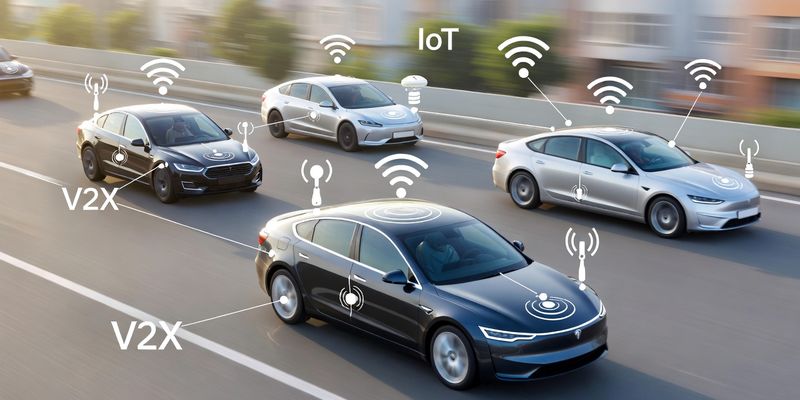
Next-Generation Traffic Management Systems at the Intersection of V2X, AI, and IoT
From Fixed-Time Control to Data-Driven Mobility Ecosystems
Traditional traffic management systems were built around fixed-time signal plans. Phase durations were predefined based on historical averages and peak-hour assumptions. While this approach served cities for decades, it no longer aligns with the complexity of modern urban mobility.
Today’s traffic patterns are non-linear and highly dynamic. Micro-mobility adoption, e-commerce logistics, fluctuating commuting behaviors, and multimodal transportation integration have fundamentally changed traffic flow characteristics.
Modern traffic management is no longer about simply controlling intersections. It is about:
Continuous data acquisition
Real-time analytics
Predictive modeling
Network-wide optimization
At the core of this transformation are three enabling technologies:
IoT (Internet of Things)
AI (Artificial Intelligence)
V2X (Vehicle-to-Everything)
When deployed together, these technologies convert reactive traffic control systems into adaptive, learning-based, and interconnected mobility infrastructures.
What Is IoT? Digital Sensing for Traffic Infrastructure
The Internet of Things (IoT) refers to the network of physical devices that collect and exchange data through embedded sensors and communication modules. In traffic management, IoT represents the digitalization of road infrastructure.
A modern intelligent intersection typically includes:
Vehicle detection sensors
Radar or lidar-based speed measurement systems
Video analytics cameras
Pedestrian and cyclist detection modules
Environmental sensors (air quality, temperature, precipitation)
Smart traffic signal controllers
Through these components, the system continuously generates operational data such as:
Real-time vehicle counts
Queue lengths
Average delay times
Lane occupancy rates
Pedestrian flow density
IoT provides the raw, high-frequency data required for intelligent decision-making. However, data alone does not create value. The true transformation begins when this data is processed, interpreted, and converted into optimized control actions. That is where Artificial Intelligence comes into play.
What Is AI? Learning and Decision-Making in Traffic Systems
Artificial Intelligence enables systems to analyze large volumes of data, identify patterns, and improve performance over time. In traffic management, AI is primarily applied in optimization, prediction, and anomaly detection.
Adaptive Signal Optimization
In fixed-time systems, green times remain static regardless of real-time demand. AI-powered systems dynamically adjust signal phases based on current conditions. This allows:
Extension or reduction of green phases
Dynamic phase sequencing
Corridor-level coordination
Congestion mitigation in real time
The result is reduced delay, fewer stops, and improved fuel efficiency.
Predictive Traffic Modeling
Machine learning models analyze both historical and real-time data to forecast short-term traffic conditions. For example, recurring congestion patterns on specific days or time intervals can be anticipated and proactively managed.
This shifts traffic management from reactive control to predictive optimization.
Anomaly and Incident Detection
AI systems learn normal traffic behavior and detect deviations. Sudden congestion spikes, abnormal speed drops, or sensor malfunctions can be identified early. This enhances operational awareness and shortens response times.
In this context, AI is not merely automation — it is a decision-support and optimization engine embedded within the traffic network.
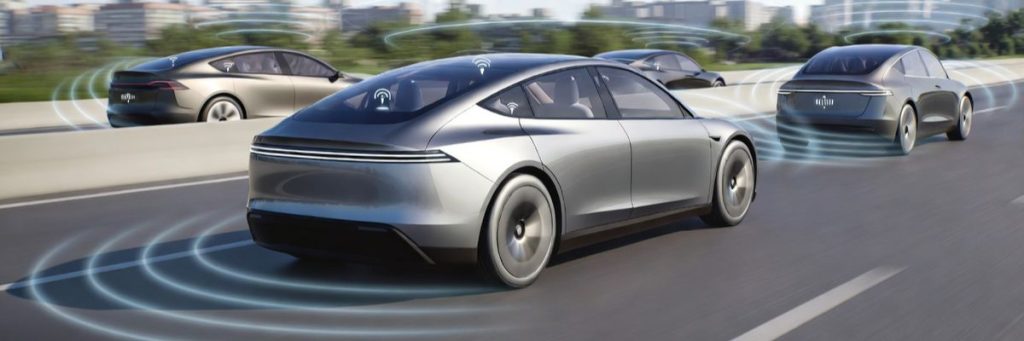
What Is V2X? The Communication Layer of Intelligent Mobility
Vehicle-to-Everything (V2X) refers to communication between vehicles and surrounding entities, including infrastructure, other vehicles, pedestrians, and network systems.
Unlike traditional infrastructure that passively monitors traffic, V2X introduces bidirectional communication into the system.
Core V2X communication types include:
V2V (Vehicle-to-Vehicle)
V2I (Vehicle-to-Infrastructure)
V2P (Vehicle-to-Pedestrian)
V2N (Vehicle-to-Network)
With V2X integration:
Vehicles can receive real-time signal phase and timing information
Emergency vehicles can request signal priority
Connected and autonomous vehicles can optimize speed profiles
Collision risks can be reduced
As connected and autonomous vehicles become more prevalent, V2X will transition from an innovation to a fundamental infrastructure requirement.
Integrated Architecture: A Layered Approach
Next-generation traffic management systems are typically built on a layered architecture designed for scalability and low latency.
Field Layer
Sensors, detectors, and controllers collect and transmit operational data.
Edge Layer
Low-latency decisions are processed locally at the intersection level to ensure rapid response.
Central Management Platform
City-wide coordination, analytics, reporting, and long-term optimization are managed centrally.
Cloud and V2X Layer
High-volume data analytics and real-time vehicle communication are enabled at scale.
This architecture ensures resilience, scalability, and high system reliability while enabling both local responsiveness and network-wide intelligence.
Cybersecurity: A Foundational Requirement
As traffic systems become increasingly connected, cybersecurity becomes a critical design component rather than an afterthought.
Secure traffic infrastructure requires:
End-to-end encrypted communication
Strong authentication protocols
Role-based access control
Secure over-the-air updates
Network segmentation
Continuous monitoring and anomaly detection
Without robust cybersecurity frameworks, connected traffic systems risk operational vulnerability.
Sustainability and Environmental Impact
Traffic congestion is not only a mobility issue but also a major contributor to carbon emissions and fuel waste.
AI-driven adaptive control systems contribute to sustainability goals by:
Reducing average vehicle delay
Minimizing stop-and-go cycles
Optimizing fuel consumption
Lowering CO₂ emissions
In this sense, intelligent traffic management directly supports broader smart city and climate action strategies.
Strategic Implications for Cities and Public Authorities
The integration of IoT, AI, and V2X is not merely a technological upgrade. It represents a strategic shift toward data-driven urban mobility governance.
Benefits for municipalities include:
Evidence-based transportation planning
Improved emergency response efficiency
Public transport prioritization
Real-time performance reporting
Optimized infrastructure investment decisions
Over time, such systems evolve into the digital backbone of urban mobility ecosystems.
The Road Ahead: Autonomous Vehicles and Intelligent Urban Infrastructure
As autonomous vehicle adoption accelerates, infrastructure will need to provide reliable, low-latency communication and high-precision data exchange.
Cities that fail to integrate V2X and AI-driven infrastructure risk technological lag in the emerging connected mobility landscape.
Future traffic systems will be:
Self-optimizing
Predictive rather than reactive
Fully connected with vehicles
Aligned with sustainability objectives
Traffic infrastructure is evolving into a digital nervous system for smart cities.
Conclusion
IoT generates real-time data.
AI transforms data into optimized decisions.
V2X enables connected interaction across the mobility ecosystem.
Together, these technologies redefine traffic management — shifting it from static signal control toward adaptive, predictive, and integrated urban mobility intelligence.
The next generation of traffic systems will not simply manage intersections. They will orchestrate city-wide mobility.